
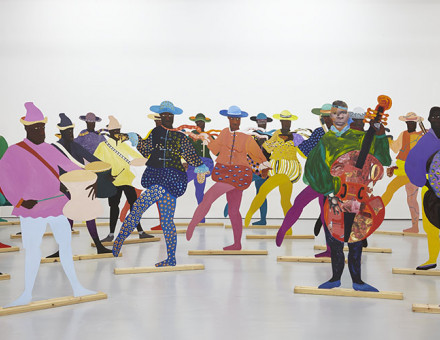
Lubaina Himid: Naming the Un-Named
Turner Prize winner Lubaina Himid’s artworks fill in the gaps that history leaves behind.
Turner Prize winner Lubaina Himid’s artworks fill in the gaps that history leaves behind.
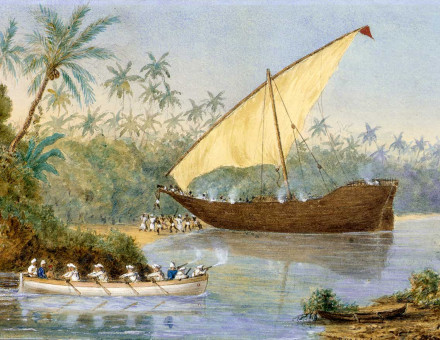
Fiercely independent, highly skilled sailors, the Kroomen of Sierra Leone forged an alliance with the Royal Navy to rid the African coasts of slavers.
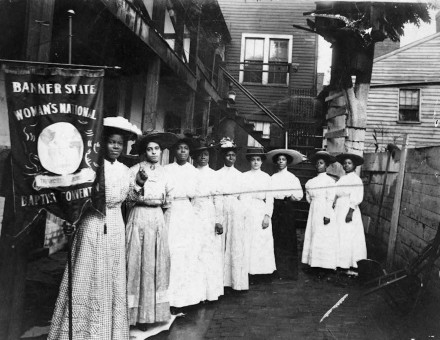
As calls for women’s suffrage gained momentum following the Civil War, an uncomfortable racial faultline emerged dividing white suffragists from their African-American sisters.
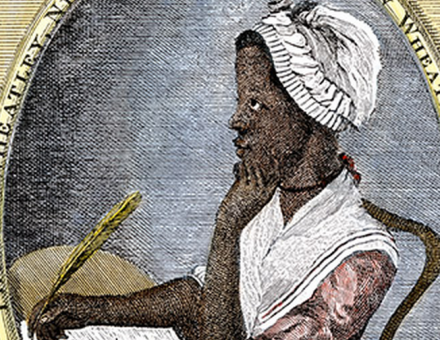
How did literacy encourage slave rebelliousness after the American War of Independence?
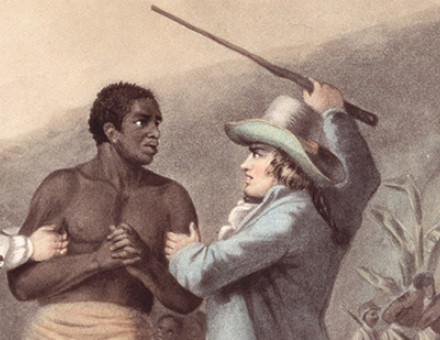
The extent to which Britons were involved in slave-ownership has been laid bare by a project based at University College London. Katie Donington shows how one family profited.
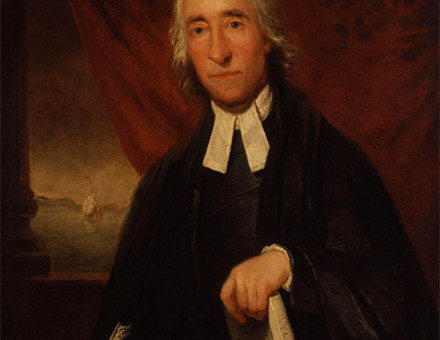
After years of service in the West Indies, writes Ian Bradley, Ramsay in England helped to inspire the crusade for Abolition.

Richard K. MacMaster examines the 'crack in the Liberty Bell'.
The ‘invisible empire’ of the Klan, writes Louis C. Kleber, was the answering organization in the Southern states to the Radical regimes imposed by the victorious North.
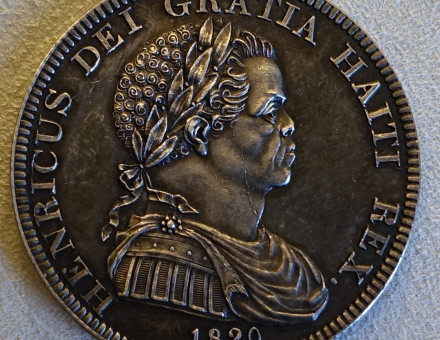
During the aftermath of the French Revolution, writes C.E. Hamshere, a prosperous state arose in Haiti under the leadership of a powerful and gifted ruler.
Portugal's colonial empire was, at the C.R. Boxer wrote this article in 1956, the oldest in the world, with Mozambique as its most prosperous possession.