
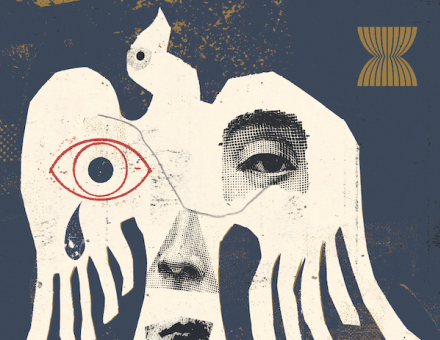
How ASEAN Lost its Way
ASEAN was founded to promote peace between the nations of Southeast Asia. Incapable of moving with the times, what is the point of it?
ASEAN was founded to promote peace between the nations of Southeast Asia. Incapable of moving with the times, what is the point of it?
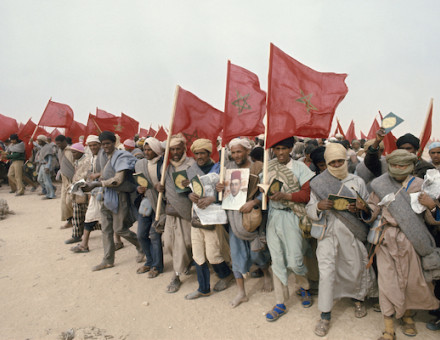
In 1963 a border dispute between Morocco and Algeria escalated into the Sand War. What began as an ideological difference between two newly independent nations soon became personal.
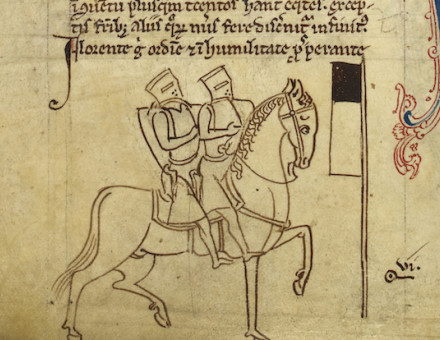
The Knights Templar’s modern reputation is a myth that disguises their role as state-builders and diplomats.

In January 1944 the Daily Mail became the first transoceanic newspaper, having transformed the relationship between politics, the press and the people. How powerful is it really?
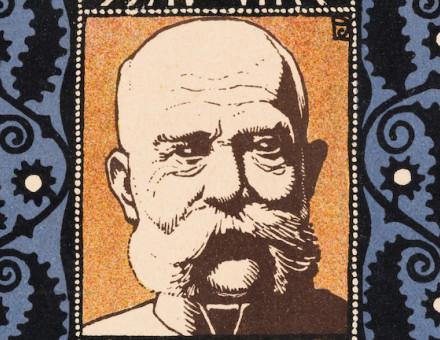
New books by Natasha Wheatley and Richard Cockett explain how for all its apparent anachronism the Hapsburg empire, and its capital, shaped the modern world.
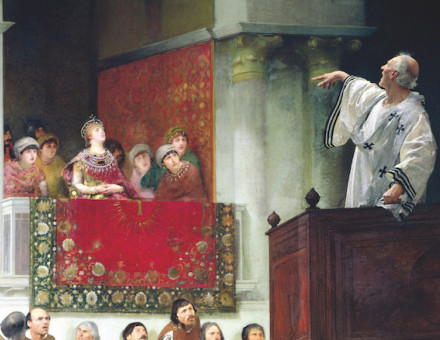
Early Christianity brought new opportunities for Roman and Byzantine women – it also brought new reasons to vilify them.
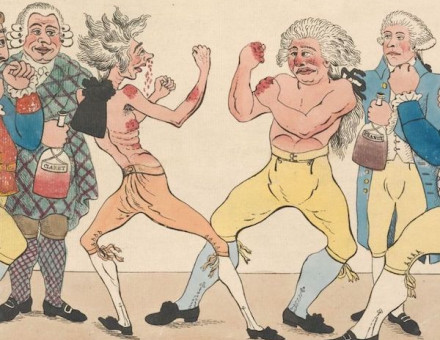
Richard Whatmore’s The End of Enlightenment: Empire, Commerce, Crisis takes the ideals of the 18th century on their terms.
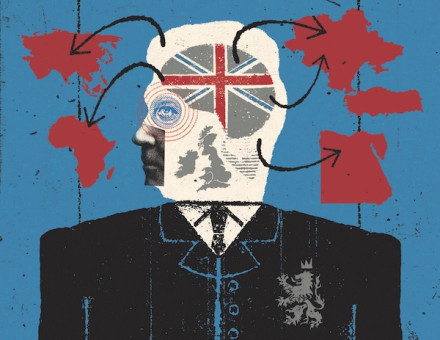
The British Council was founded to help the world better understand Britain and to fight fascism. As times changed, so did its remit.
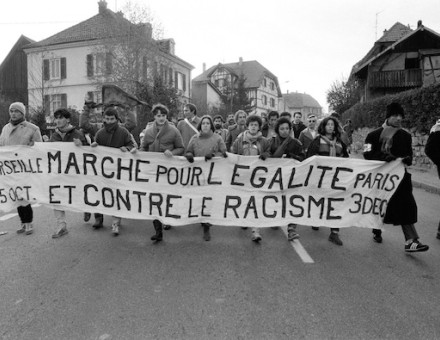
In 1983 the March for Equality and Against Racism from Marseille to Paris marked the coming of age of a new French generation.
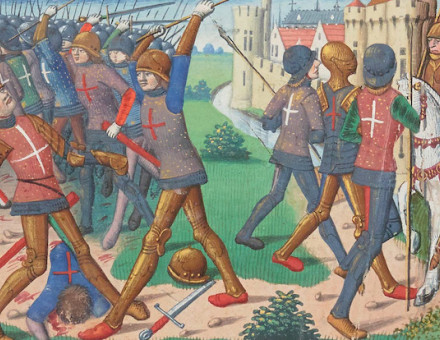
The Hundred Years War Vol 5: Triumph and Illusion by Jonathan Sumption charts the English downfall and France’s triumph to bring the epic five-volume history to its conclusion.