The Irish Question
Ian Garrett asks why British Governments found Ireland so difficult a problem in the 19th and 20th Centuries.
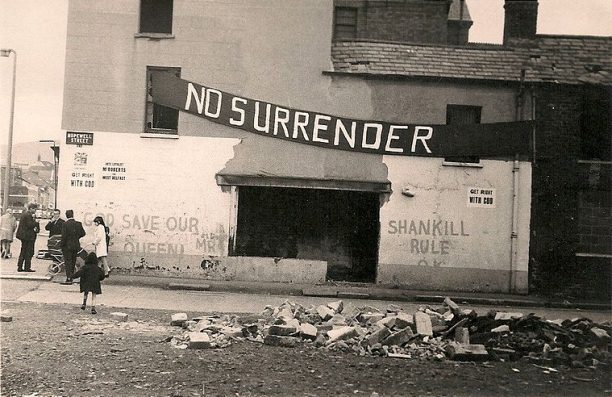 Ireland is a perennial favourite with examiners, and the difficulty that British governments faced in resolving the problems of Ireland is a Depth Study focus for several examination boards. Discussion often centres on how successful – or not – various governments were in tackling Ireland, or on whether parliamentary means or violence was the more significant in pressurising Britain into acceding to Irish nationalist demands. However, what I want to explore here is the question of why British governments have found this issue so intractable – at least, perhaps, until very recent years.