Hopkins and Patmore: Tory Politics and Poetry
The poets Gerard Manley Hopkins and Coventry Patmore both subscribed to a Tory world view, fiercely opposing the reforms of Prime Minister Gladstone. But their correspondence reveals two very different personalities, says Gerald Roberts.
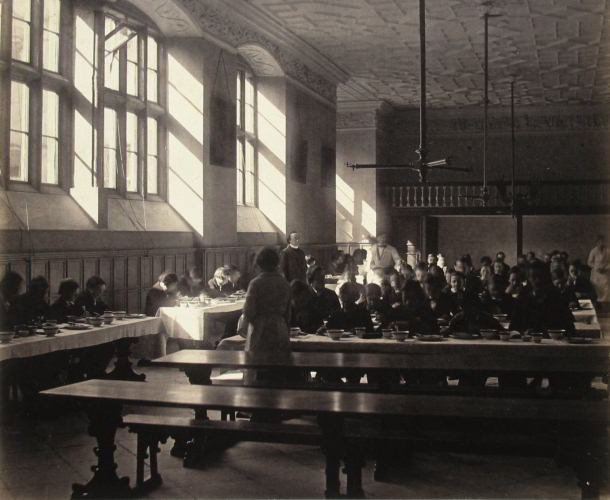 When the Jesuit (and then unrecognised poet) Gerard Manley Hopkins met the recognised (and Roman Catholic) poet Coventry Patmore at the Stonyhurst College prize day in August 1883 it signalled the beginning of a literary friendship that was to endure until Hopkins’ death in Dublin in 1889. (Patmore was 73 when he died in 1896.) It was literary in more ways than one, since although its starting point was the subject of poetry it continued through the exchange of letters that touched on many subjects.