Gender
|
EDITOR'S CHOICE
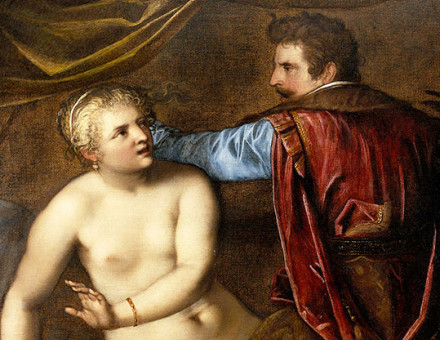
The idea of a female monarch was met with hostility in medieval England; in the 12th century Matilda’s claim to the throne had led to a long and bitter civil war. But the death of Edward VI in 1553 offered new opportunities for queenship, as Helen Castor explains. |
To read any piece marked
, you'll need a subscription to our online archive
|
Eamon Duffy explores the relationship between Mary I and her Archbishop of Canterbury Cardinal Pole. Pole’s advice to his queen about attitudes to Henry VIII and in dealing with heretics show he played a far more energetic role in the restoration of the ‘true religion’ than he has been given credit for. Published in History Today, Volume: 59 Issue: 5, 2009
|
|
Patricia Fara recounts the moving story of a gifted contemporary of Isaac Newton who came to symbolise the frustrations of generations of female scientists denied the chance to fulfil their talents. |
|
Frances Borzello seeks to explain the rise of women’s clubs in London before the First World War – and their equally swift demise. |
|
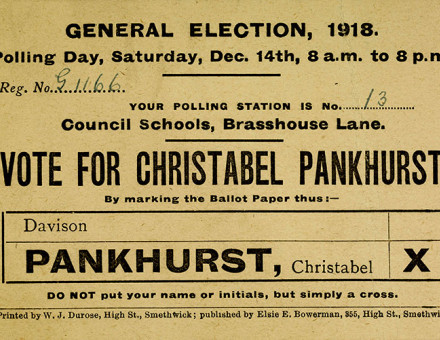
On the centenary of her election as Britain’s first female mayor, Andrew Mackay looks at the life of Elizabeth Garrett Anderson. |
|
Mari Takayanagi, archivist at the Parliamentary Archives, explains the significance of the Life Peerages Act,1958.
Published in History Today, 2008
|
|
Jim Downs says that the Democrats should blame history for the dilemma they face in having to choose between Clinton and Obama for this year’s presidential nomination. |
|
Mary wedded Francis, Dauphin of France on April 24th, 1558. |
|
Jeremy Goldberg examines three stories of disputed marriages and discusses definitions of consent and how they impinged on a medieval woman’s right to marry when and whom she chose. |
|
Janet Copeland focuses on an important figure in the emancipation of British women. |
|
Viv Sanders corrects the male bias in the study of the civil rights movement in the USA. |
|
Did it matter that the fifth Tudor monarch was a woman rather than a man? Retha Warnicke investigates. |
|
Will the new super-casinos bring about the demise of the commercial bingo hall? Carolyn Downs traces the history of the game back to the eighteenth century and finds that then – as now – it had a strong attraction for women gamblers. |
|
John Jackson exhumes the extraordinary case of a middle-aged woman from Derby convicted of plotting to murder the Prime Minister. |
|
Charles Townshend has read hundreds of 'witness statements' from the men and women who took part in the Easter Rising, made available to the public in 2003 after decades in a government vault. |
|
Richard Vinen ponders the political significance of two of France’s most potent female icons and finds there is more to them than meets the eye. |
- Home
- Location
- Period
- Themes
- Magazine
- Subscribe
- Archive
- Ebooks
- Reviews
- Blog
- Contact
Related Blog Posts
|
History Today editor Paul Lay chooses ten excellent history books... |
Book Reviews
|
The story of the Georgian bachelor who, having been rejected by a paramour,... |
|
The trial of two theatrical female impersonators in 1871 has long been seen... |
|
Revisiting one of the more curious exports to India from Britain: women... |
|
A fascinating new picture of Victorian family life explores sibling... |
From The Current Issue
|
Stephen Cooper
|
|
Nigel Richardson
|
|
Helen Szamuely
|

.jpg)