Jump to Navigation

Britain

EDITOR'S CHOICE

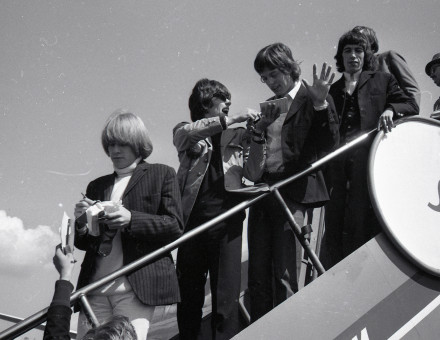
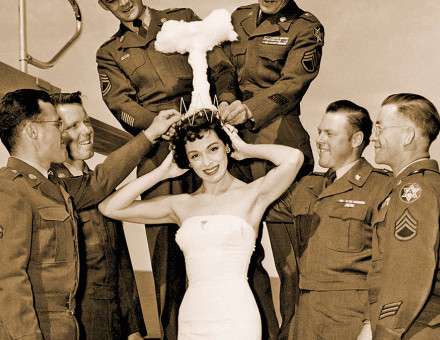
Tabloid intrusion into the lives of the famous via the photo lens was a feature of Edwardian, as well as contemporary, Britain, as Nicholas Hiley here intriguingly reveals.

To read any piece marked , you'll need a subscription to our online archive

Mihir Bose recalls a classic case highlighting the problems with Britain’s antiquated libel laws.

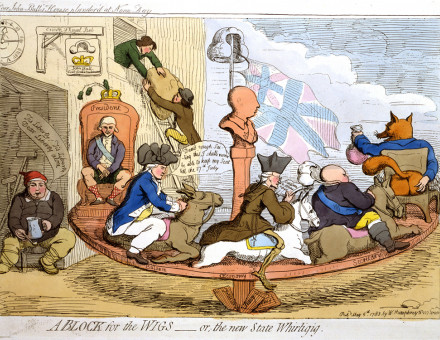
The Whig interpretation of the past is a moral fable more akin to theology than history, argues Tim Stanley.

Exhuming historical characters makes for dramatic headlines and can seem a great way to get easy answers, but we should think twice before disturbing the remains of dead monarchs, says Justin Pollard.

Michelle Liebst looks at how the career of the great explorer of Africa reflects the wider failings of Victorian imperialism.

Than the Younger Pitt, there is no lonelier, yet more commanding, figure among British Prime Ministers. By R.J. White.

S.M. Toyne investigates how, from earliest times, the migration of the herring has exercised an important influence on the history of the peoples living around the North Sea and the Baltic.

Ann Dewar looks back at the Parliamentary debate over the introduction of Daylight Saving Hours, tabled in 1916 by Sir Henry Norman.

The tall army recruits known as the Potsdam Giants, F.L. Carsten writes, played a considerable part in the British diplomacy during the early 18th century, and the efforts of the Prussian recruiting sergeants to procure men of the desired size extended to the British Isles.

A discussion between Napoleon, exiled in St. Helena, and Henry Ellis, returning with Lord Amherst’s embassy to China, about England's international standing.

Asa Briggs evaluates the impact of Sir Robery Peel, a great Prime Minister unwilling to become a popular politician.

Despite a lack of style or personality, W.N. Medlicott argues, Neville Chamberlain overcame his unique capacity for being misunderstood to achieve a record of consistency.

Stephen Bates on the divisions that split Peel’s Tory administration in the mid-1840s, resonant of splits in the Conservative Party today.

Postwar Britain’s relationship with its past was laid bare in a long-running television show, argues Tim Stanley.

The term ‘Cobbett and Hunt’ was shorthand for radical politics in the early 19th century, but the petty hatred that developed between the two men had a devastating effect on the outcome of the 1832 Reform Act, says Penny Young.

Tim Pat Coogan points the finger of blame for the Great Famine at ministers in Lord Russell’s government, which came to power in 1846, and sees echoes of the disaster in the Republic’s current economic plight.


About Us | Contact Us | Advertising | Subscriptions | Newsletter | RSS Feeds | Ebooks | Podcast
Copyright 2012 History Today Ltd. All rights reserved.