The Risorgimento: Led By A Desire for Cultural Unity?
Emily Parton asks a key question about Italian unification, in the winning entry of History Review magazine's 2009 Julia Wood Award.
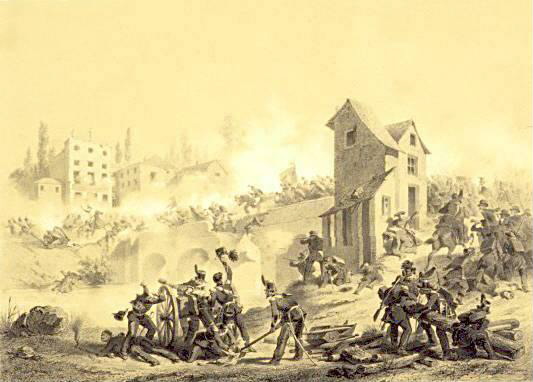 The question of whether cultural unity was the driving force behind the Risorgimento has been debated since the movement culminated in the 1861 unification of Italy. The question of what constitutes cultural unity has also been controversial. In context of this essay ‘cultural unity’ will be identified using Mazzini's definition from his 1844 work The Duties of Man, where ‘language, custom, tendencies and capacity’ are the fundamental components of a unified national culture.