
What is the Value of Economic History?
When we ask historians which genre of history they like least, the most common answer is ‘economic’. Is the field unjustly maligned?
When we ask historians which genre of history they like least, the most common answer is ‘economic’. Is the field unjustly maligned?
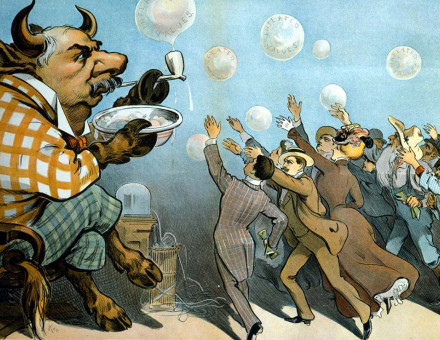
A new book is a paean to American capitalism.
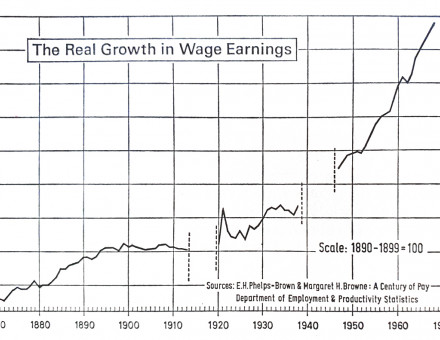
Three historians discuss the historical phenomenon of inflation, focusing on the Roman Empire and the 16th century.
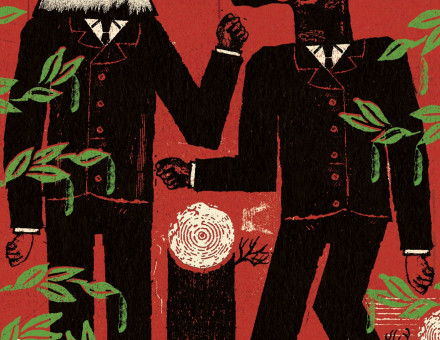
Who cares whether China stops buying soy from the United States? History suggests we all should.
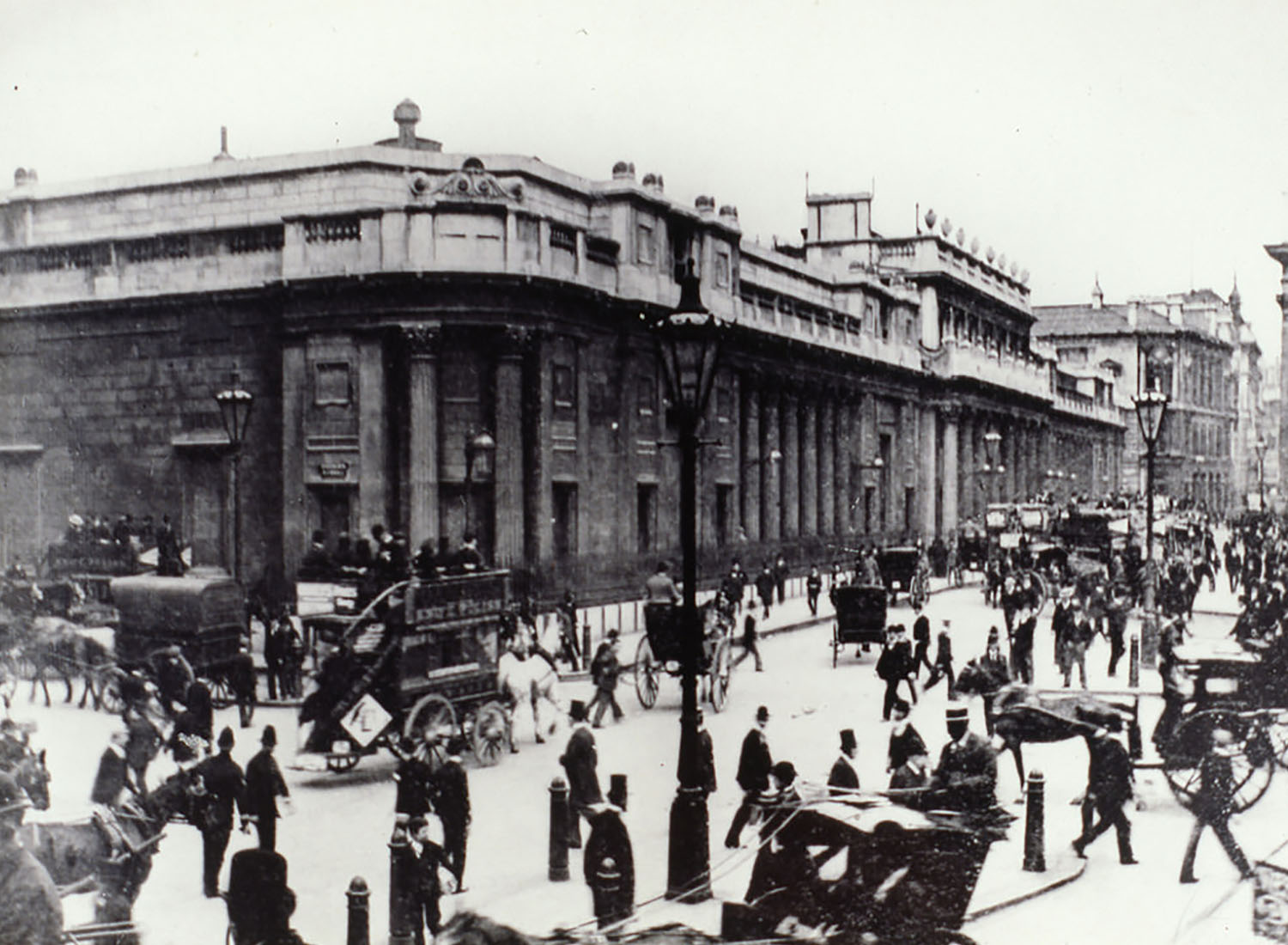
In the early 19th century ‘filthy rags’ – or banknotes – became a common form of currency. A surge in forgery followed, accompanied by a surge in harsh prosecutions. How did we get from gold to paper?
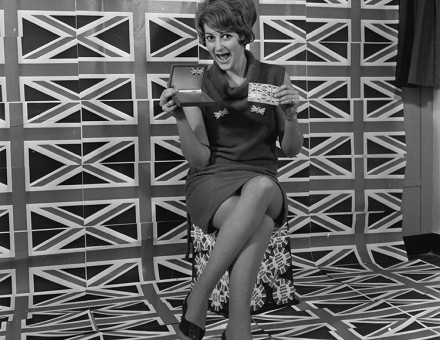
From Elizabethan laws to modern food campaigns: the long history of Britain's patriotic consumers.
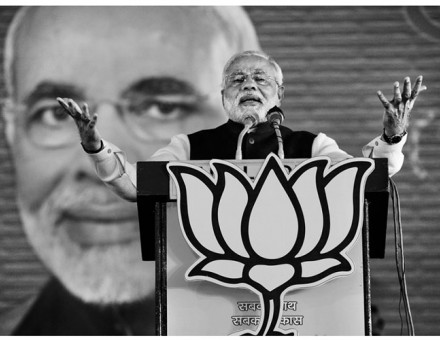
Attempts to control the spread of bank note forgery in India have proven ineffective and dangerous.
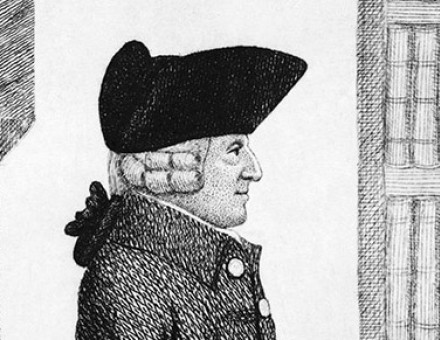
The life and thought of the father of modern economics, and the competing claims for his legacy.
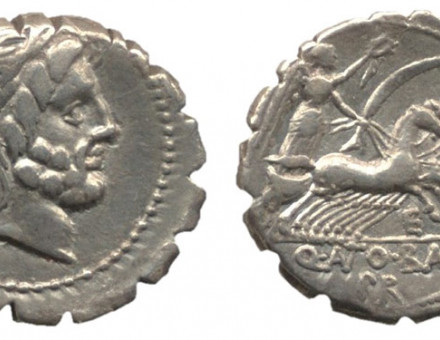
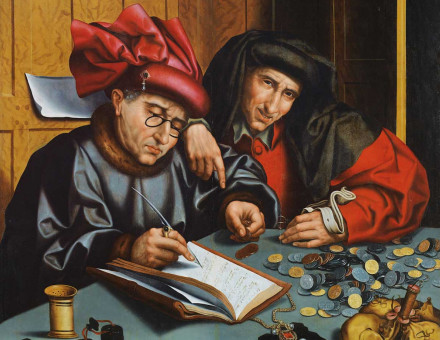
Since antiquity, moneymen have been the target of vitriol.
Wars have left their impact in Sheffield, and the Crimean War perhaps more than any. W.H.G. Armytage marks the metamorphosis of a large-scale industrial city