
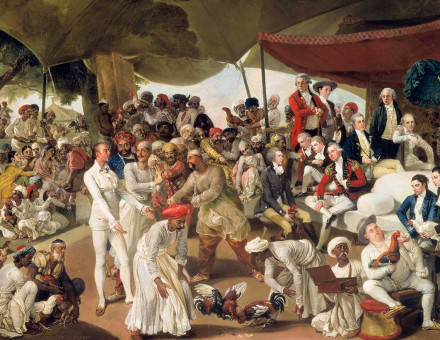
Warren Hastings, Governor-General of India
The foundations of modern India were laid by the British governor-general, Warren Hastings. But he paid a heavy personal price.
The foundations of modern India were laid by the British governor-general, Warren Hastings. But he paid a heavy personal price.
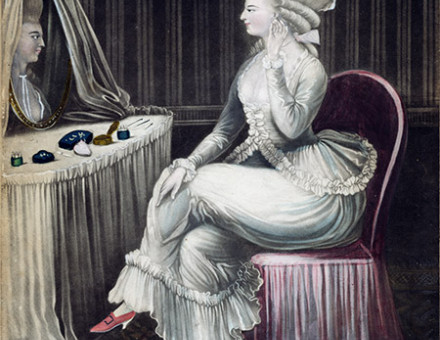
There is beauty to be had from the smallest of objects. In the 18th century, tweezers, toothpicks and clippers became the signs of a polite, and beautiful, society.
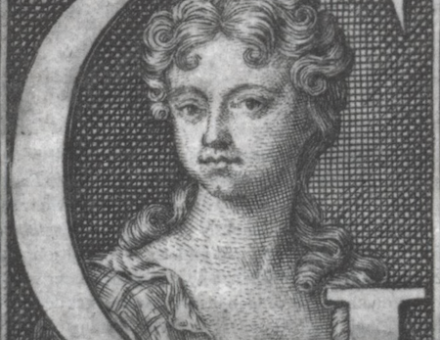
In the 18th century, when women in scholarship were not encouraged and medieval languages were little-studied even by men, Elizabeth Elstob become a pioneer in Anglo-Saxon studies, her work even finding its way into the hands of Thomas Jefferson.
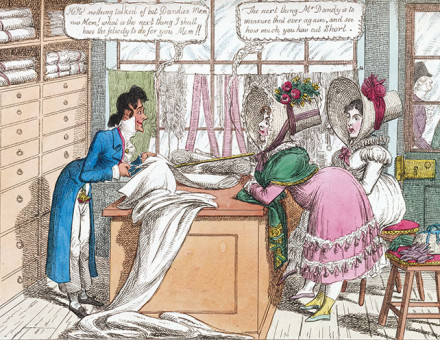
The world of shopping in Georgian London offered an array of retail experiences for women in pursuit of the ultimate in fashionable clothing, every bit as sophisticated as those open to the 21st-century shopper.

George Rudé analyses the events of what started as an anti-Catholic protest, but ended with violence and looting.
‘The present folly’, wrote Horace Walpole in 1777, ‘is late hours.’ To arrive late at a party in the Georgian era, writes John Riely, was a sign of fashionable distinction.
In 1732, writes Robert Halsband, ‘a young Lady lately much talk’d on among the polite Part of the World’ was safely delivered of the Prince’s son.
Robert Halsband unearths a remarkable story of amorous intrigue at the court of George II.
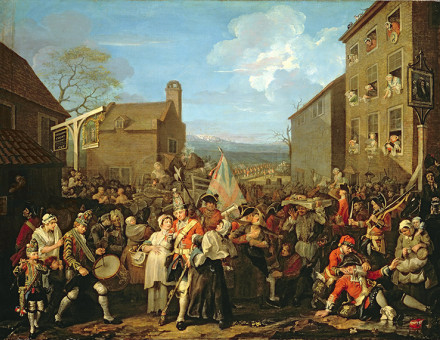
The painter’s reaction to the Jacobite Rebellion is more than mere satire.
A.L. Rowse describes the life and career of the foremost Persian and Sanskrit scholar of his day.