
Today’s featured articles
Columbine marked the beginning of a new era of high-profile mass shootings in the US. Was the attack the inevitable outcome of lax controls and a culture of gun glorification?
Shakespeare’s Sisters: Four Women Who Wrote the Renaissance by Ramie Targoff refutes the claim by Virginia Woolf, that the women of Tudor England left only empty bookshelves.
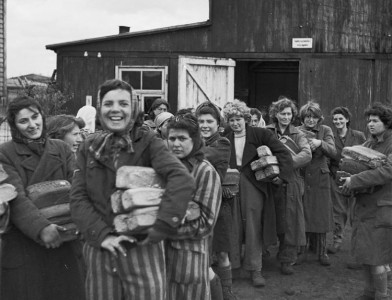
Richard Dimbleby’s account of what he witnessed at Bergen-Belsen in April 1945 has become infamous in Britain. Less well known is the work of two other BBC employees who made radio programmes about Belsen shortly after the camp’s liberation.
Most recent
Columbine 25 Years On
Columbine marked the beginning of a new era of high-profile mass shootings in the US. Was the attack the inevitable outcome of lax controls and a culture of gun glorification?
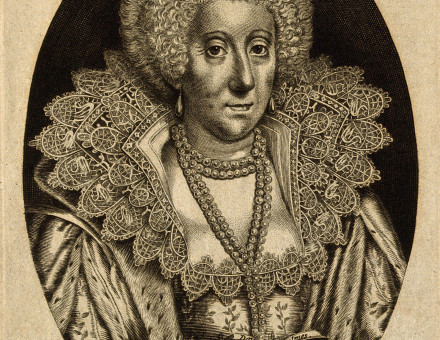
‘Shakespeare’s Sisters’ by Ramie Targoff review
Shakespeare’s Sisters: Four Women Who Wrote the Renaissance by Ramie Targoff refutes the claim by Virginia Woolf, that the women of Tudor England left only empty bookshelves.
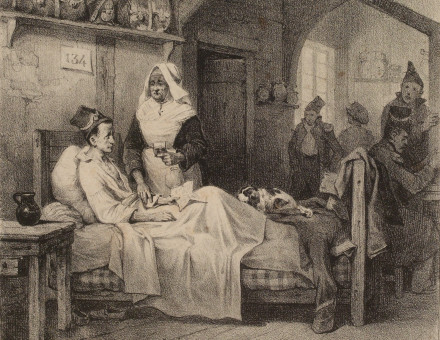
When Nostalgia Was Deadly
When it was first named in 17th-century Switzerland, nostalgia was a very real – and very dangerous – disease.
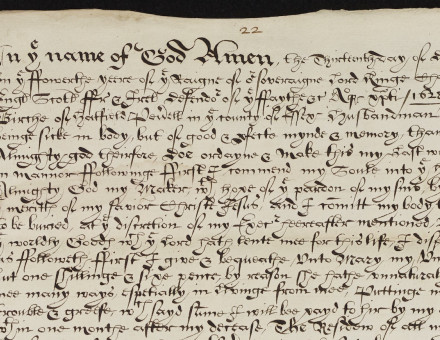
The Value of Wills to Historians
Wills in early modern England tell us much more than simply who left what to whom, and should not be discarded lightly.
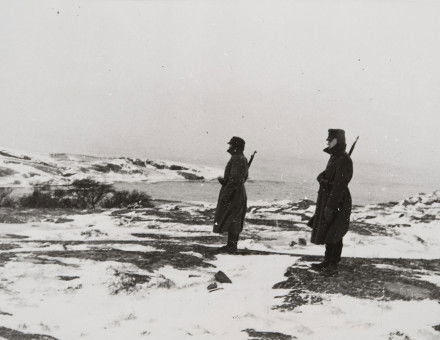
‘How Finland Survived Stalin’ by Kimmo Rentola review
How Finland Survived Stalin: From Winter War to Cold War by Kimmo Rentola argues that political guile as much as military might stopped the Soviets in their tracks.
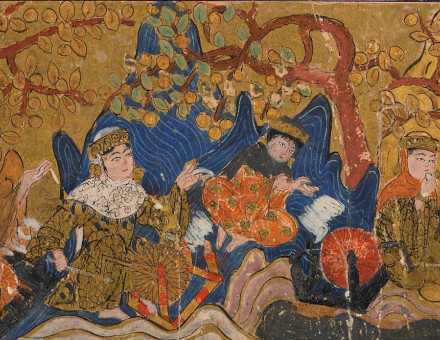
On the Spot: Ali Ansari
‘What is the most common misconception about my field? That it’s a sideshow of a sideshow.’

The Death of Little Jack the Boy Missionary
On 5 April 1889 John Hore died aged only seven years old. His adventures in East Africa saw him immortalised by Victorian evangelicals as ‘the boy missionary’.
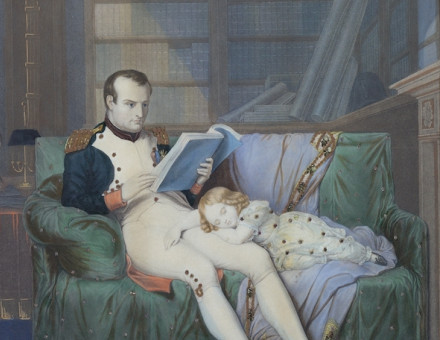
In Defence of Boring Books
What is the most boring history book you have read, and why? Excruciating tedium can have intellectual value, says George Garnett.
Current issue
- Image
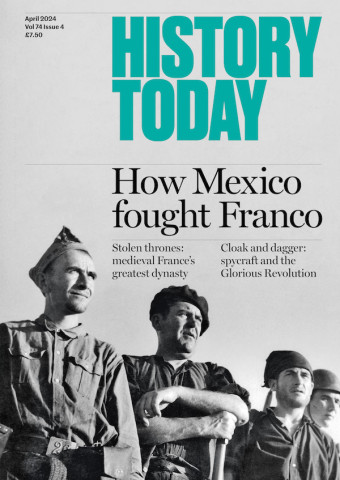
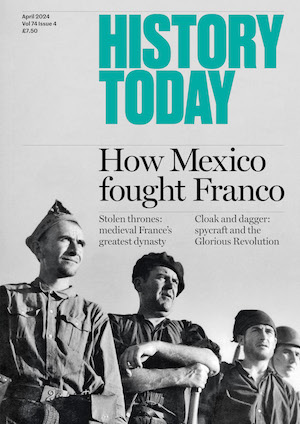
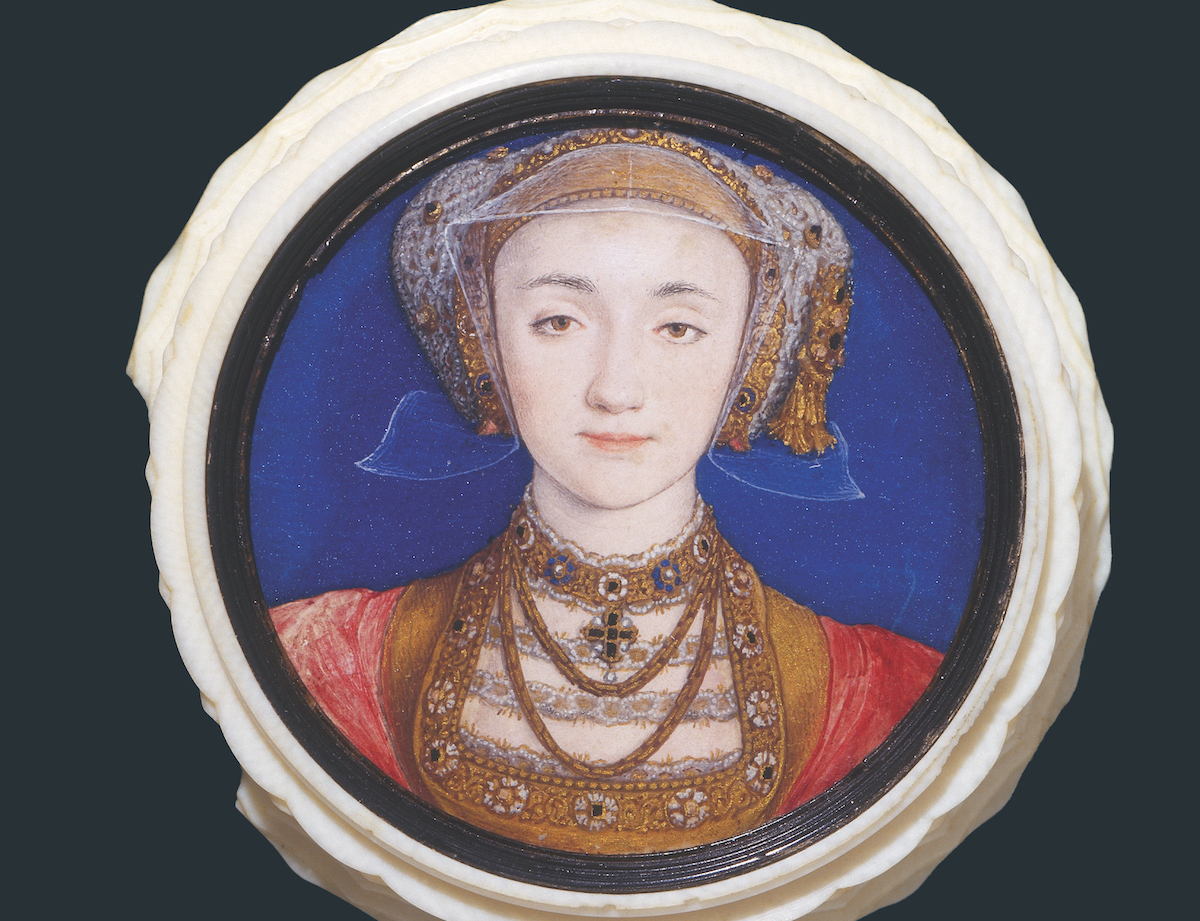
In the March issue: Mexico and the Spanish Civil War, medieval France, spycraft and the Glorious Revolution, challenging the ‘ugliness’ of Anne of Cleves, and Portugal’s Carnation Revolution.
Plus: reviews, opinion, crossword and much more!
You can buy this issue from our website, from newsstands across the UK, or read it as a digital edition via the History Today App.