

John Brewer
Daniel Snowman meets the historian of 18th-century British art, culture, commerce, consumption – and a sensational murder.
Daniel Snowman meets the historian of 18th-century British art, culture, commerce, consumption – and a sensational murder.
Phil Chamberlain explains a Second World War plan to silence German double agents in the event of a German invasion of Britain.
Narrative historian and festival organiser Derek Wilson looks back over half a century of popularising history
Charles Allen challenges the accepted account of a tragic massacre that took place in Tibet a century ago this month.
Paul Shirley describes the freedom struggles of African Americans in the Bahamas after the American War of Independence.
William D. Rubinstein ascribes the bitterness of historians’ arguments to the lack of an agreed definition and to political agendas.
Robert Bartlett delves into the Vatican archives to resuscitate a remarkable tale of execution and resurrection in 13th-century south Wales.
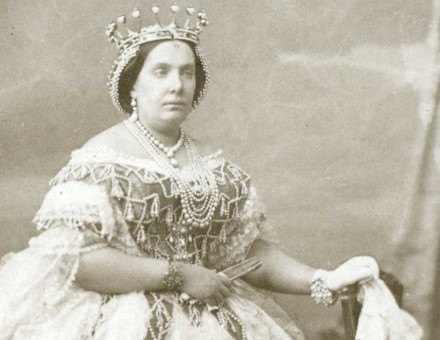
After spending almost half her life in exile, the former Queen of Spain died on 9th April, 1904.
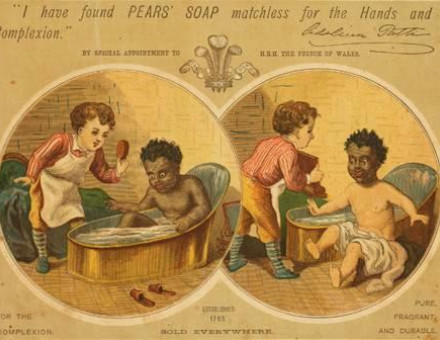
John Strachan looks at women and advertising in late Georgian England.

Charles Freeman offers a new theory to explain the positioning in Venice of the famous horses looted from Constantinople eight hundred years ago this month.