
Above and Beyond: The Apollo Space Race to the Moon
In 1969 men set foot on the Moon for the first time. The Apollo space programme that put them there was the product of an age of optimism and daring very different from our own, argues André Balogh.
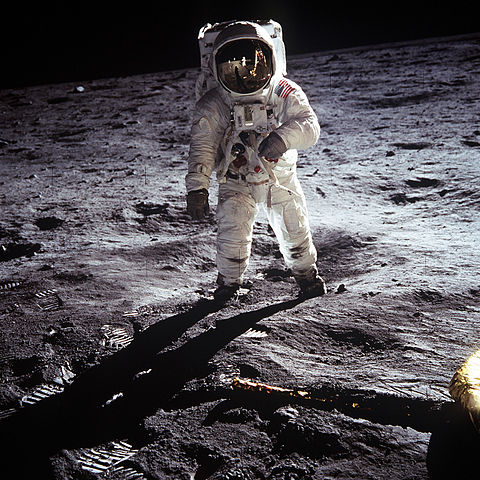 It is 40 years since Neil Armstrong took his ‘giant leap for mankind’ on the early summer morning of July 20th, 1969. It was the high point of a vast and expensive space programme initiated by President John F. Kennedy in the early 1960s which ended when Apollo 17’s lunar module lifted off from the Moon on December 14th, 1972. In just under three and a half years, 12 US astronauts walked on the Moon, drove around in their Moon buggy and thrilled television viewers around the world with their barely believable pantomime on a celestial body 236,000 miles from Earth.